Sourcing note
Cafe and contract seating in 2026: the trends, and the sourcing reality behind them
12 March 2026 · Demu export desk · ~4 min read
We read the same 2026 trend reports our buyers do, but we read them differently: a mood board does not have a lead time, a MOQ or a cycle-test result, and our job is to turn the look into chairs that survive a venue. So here is a factory's read on what is actually moving in cafe and contract seating this year, with the sourcing catch attached to each — because the trend is the easy part.
Tactile materials over gloss
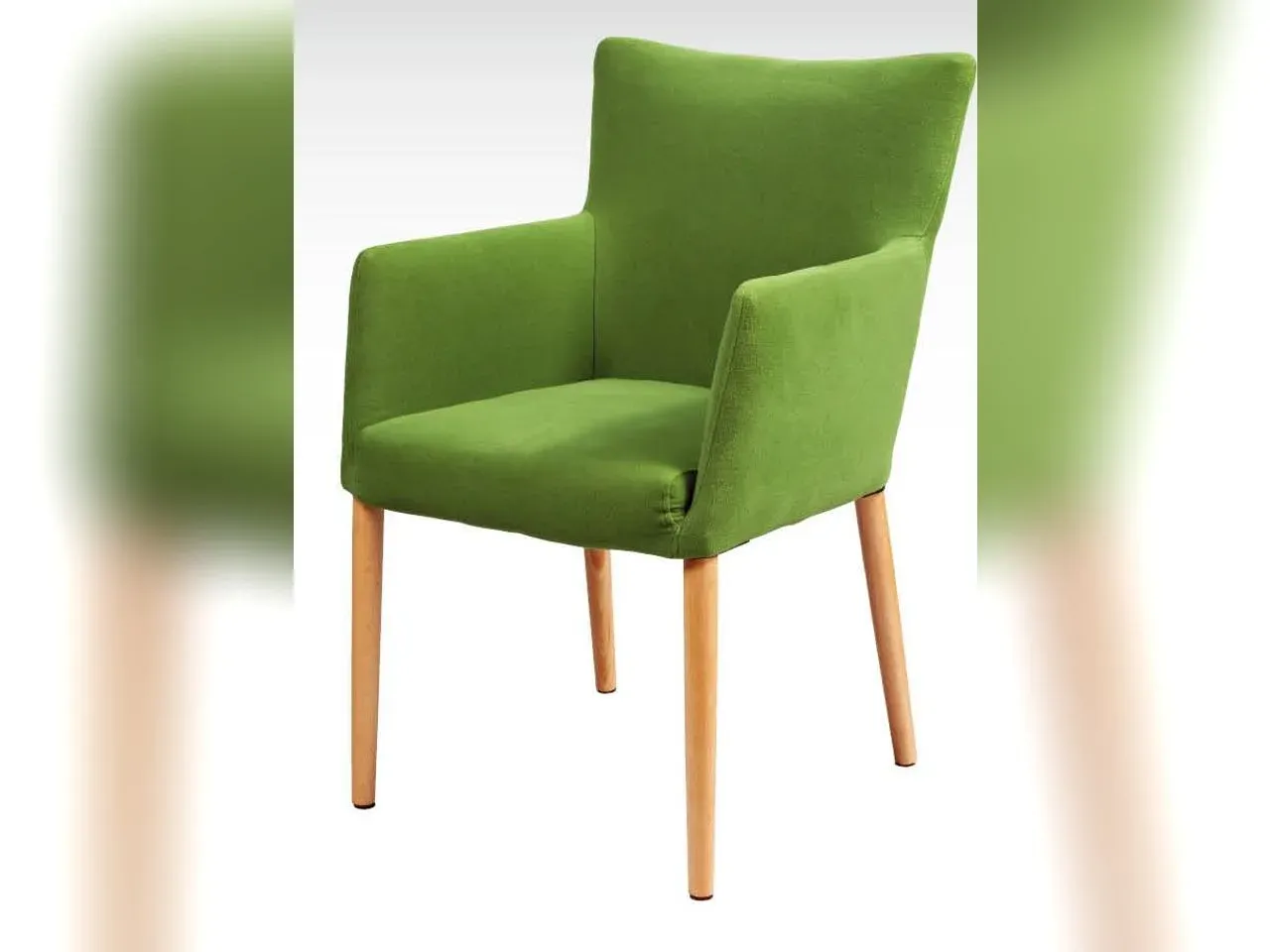
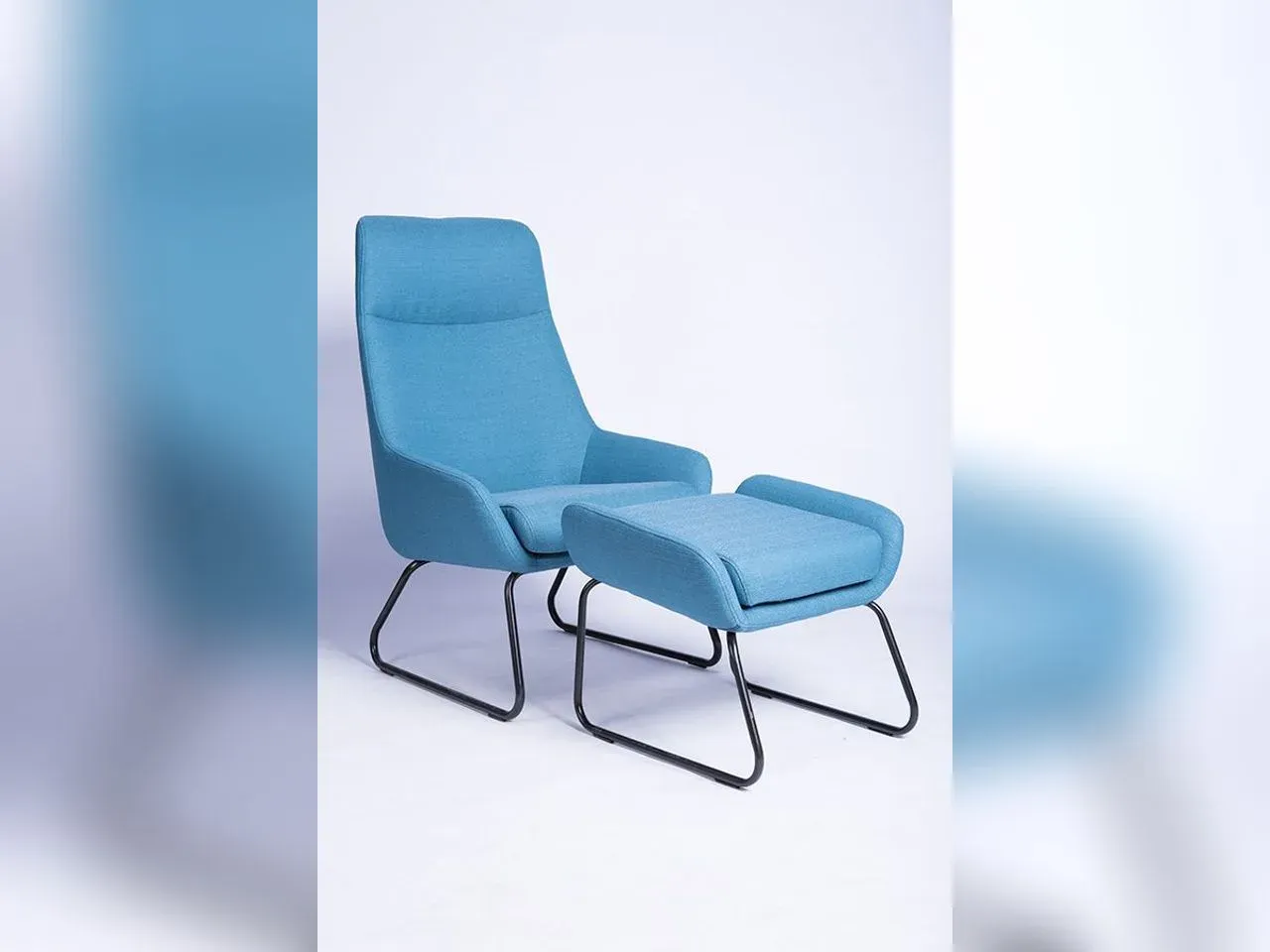
The clear direction is texture: matte powder-coats, bouclé and woven performance fabrics, warm timber tones over high-shine finishes. It photographs beautifully and guests like it. The catch is cleanability — a deep texture that looks great can trap spills in a food-and-beverage room, so we steer operators to textured performance fabrics that read tactile but still wipe down, rather than raw decorative cloth that becomes a stain map by month three.
Modular and banquette seating
Flexible, modular seating and organic banquettes are everywhere in the reports, used to zone open-plan rooms and reconfigure for different services. They genuinely help a room earn more from its floor. The sourcing reality is that modular and banquette work is closer to joinery than to a stock chair — it wants accurate site dimensions, more lead time, and a clear spec for the frame inside the upholstery. We treat it as an ODM/OEM project, not a catalogue pick, and we are upfront that the timeline is longer than for loose chairs.
Biophilic and sustainable specs
Natural tones, plant-friendly layouts and recycled or recyclable materials keep climbing the priority list, and buyers increasingly ask what a chair is actually made of. This is welcome, and it has a trap: "sustainable" with no substance behind it. We would rather talk specifics — recycled-content PP, FSC-route timber where you need the paper trail, a frame built to be repaired and re-upholstered rather than binned. A chair that lasts twice as long is the most sustainable spec there is, which loops straight back to durability.
The trade-off
The honest tension across all of it is trend life versus chair life. A contract chair is a five-to-ten-year purchase; a strong 2026 trend may look dated in three. Our advice to operators is to chase the trend in the cheap, swappable layer — cushions, finishes, a few hero pieces — and keep the structural chairs in timeless, durable specs you won't resent in year five. Spend the design risk where it is cheap to reverse, not on a full re-order of frames.
If you are planning a fit-out for 2026, send us the look you are after and the budget, and we will tell you which parts to source as durable staples and which to treat as a refreshable layer. We build to EN non-domestic seating methods and testing can be arranged. Reach us via the contact form or [email protected]; background on the factory is on our about page, and the upholstery guide covers which tactile surfaces actually clean up.