
Sourcing note
Restaurant chair lifecycle: budgeting the refresh, not just the purchase
8 June 2026 · Demu export desk · ~5 min read
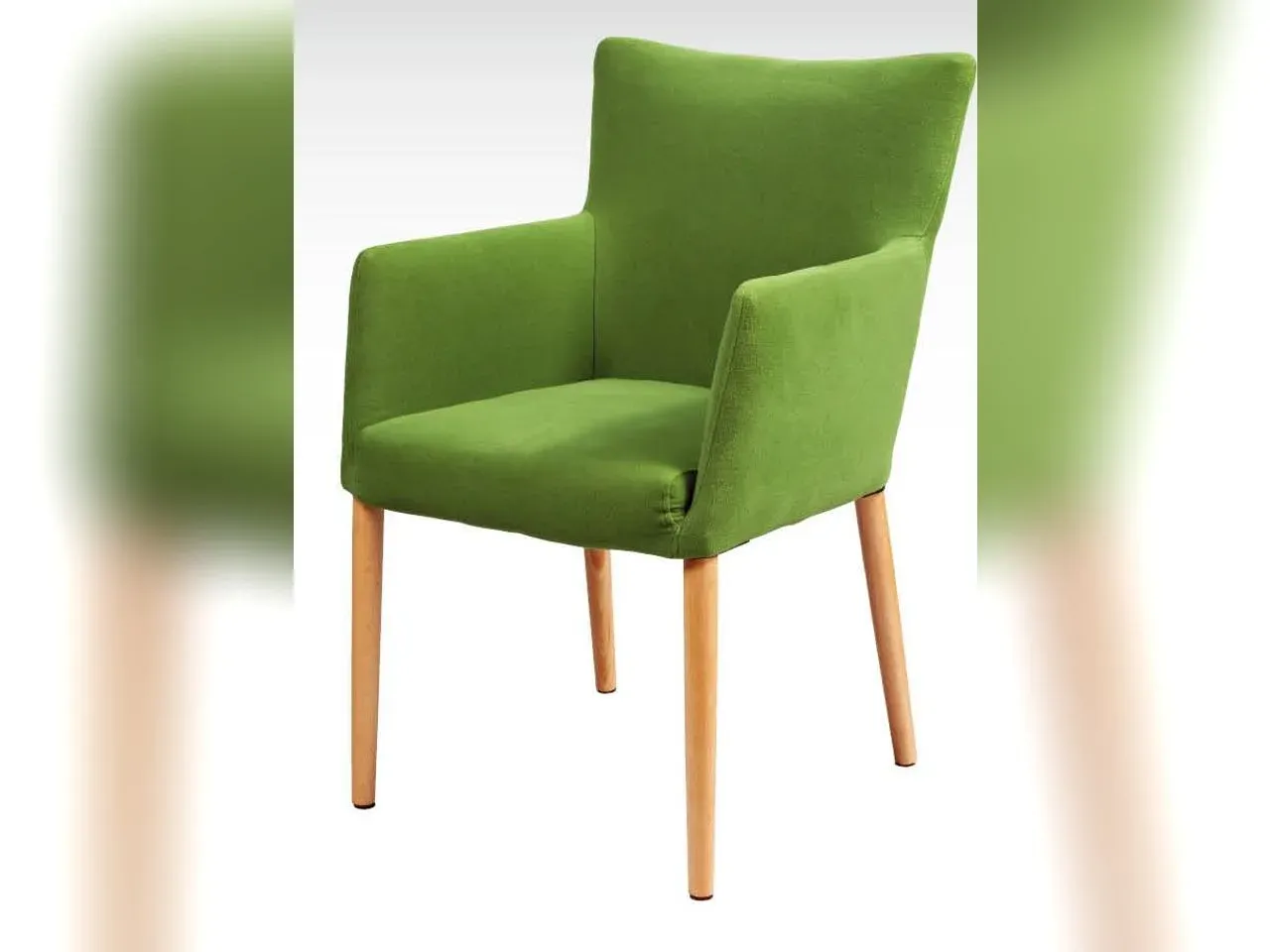
When a restaurant chain comes to our export desk, the first question is almost always the unit price. Fair enough — but after more than two decades of building dining chairs for food-and-beverage rooms, I can tell you the unit price is the least interesting number on the quote. The number that decides whether your seating program was cheap or expensive is cost per seat-year: what you paid, divided by how many years the chair actually served before you replaced it. Two chairs that differ by $8 at the port can differ by a factor of two on that metric.
How long a restaurant chair really lasts
Service life is set by the room, not the catalogue. In a hard-use quick-service room — chairs dragged on tile sixty times a day, wiped with whatever chemical is on the trolley — a sensibly built chair gives you three to five years before the frame, the glides or the seat edge start generating complaints. A casual-dining room with table service is gentler: five to seven years is realistic. A slow-turn, design-led restaurant can run a solid frame eight to ten years, usually with one re-upholstery in the middle.
Those ranges assume the chair was specified for the duty in the first place. Put a light domestic-grade chair into a food court and the ranges above are fantasy — you will be reordering inside eighteen months, and paying freight twice. The frame spec behind those service lives is the subject of our EN 16139 durability piece; here I want to stay on the money.
The refresh cycle belongs to the brand, not the chair
Here is the part chains get wrong in both directions. Most multi-site F&B concepts refresh their interiors every five to seven years — the brand book changes, the palette changes, and the seating goes out regardless of how much life is left in it. If that is your world, buying a chair engineered for fifteen years of service is buying durability you will throw in a skip. The smarter spec is a frame that comfortably clears one refresh cycle plus a safety margin, with the design interest carried in coverings and finishes you can swap.
The opposite error is treating the refresh date as a substitute for durability. A chair still has to survive to the refresh, and a dining room where a third of the chairs wobble in year three does damage to the brand that no future refit repays. The refresh cycle caps the useful life you should pay for; it does not lower the duty rating the room demands.
The budget lines chains forget
A seating budget that only contains "chairs × price" is missing three lines that always show up later.
Attrition spares
Chairs go missing, get broken by abuse no standard covers, or get damaged in moves. Across contract orders we see operators consume roughly 3–5% of the fleet per year this way in busy rooms. The cheap fix is to buy that buffer with the original order — same production batch, same dye lot, same finish — and store it flat-packed. Buying five replacement chairs two years later means a new MOQ discussion, new freight, and a colour that will not quite match.
Re-upholstery at half-time
On upholstered seating, the covering wears out long before the frame. A mid-life recover — typically around year three to four in a busy room — costs a fraction of replacement and resets the look. But it only works if the seat pad is a removable, screw-fixed unit, which is a design decision made at the order stage, not in year three. Ask for it; it costs almost nothing upfront.
The disposal and changeover cost
Swapping 80 chairs across a trading restaurant is labour, disposal fees and possibly a closed service. Chains that stagger replacement by zone — terrace first, dining room next quarter — smooth both the cash and the disruption. It also lets you trial the replacement chair in one zone before committing the estate.
Maintenance is the cheapest year you can buy
One more line nobody budgets: a twice-yearly tighten-and-check. Most chairs do not fail suddenly; a fastener loosens, the joint starts to work, and six months of movement turns a five-minute fix into a scrapped frame. A maintenance round — torque the bolts, swap worn glides, log anything cracked — typically costs a venue an hour or two of labour per service and adds a year or more to fleet life in a busy room. The wrong cleaning chemistry matters too: chlorine-heavy wipes on upholstery and some finishes accelerate exactly the wear you are trying to budget around, so put the approved cleaning list in the staff manual, not just the chair spec.
Refurbish or replace: the crossover point
The honest rule of thumb we give operators: if the frame is sound and the damage is coverings, glides or fasteners, refurbishment wins — it usually lands at 30–50% of replacement cost once you include freight. If frames are failing — cracked welds, loosened joints, bent legs — replace, because a structural repair on a commodity chair never pays. And if you are within two years of a planned concept refresh, patch cheaply and fold the real spend into the refit, where the seating order can ride the same container as the rest of the fit-out.
What to ask your factory for
Ask for the quote two ways: per chair, and per seat-year against the duty you describe. A factory that has its own data will answer; a trader will quote you a price. From our 45,000 sqm plant in Anji we build dining seating to EN non-domestic seating methods (EN 16139), and testing to a stated level can be arranged per order — which is the paperwork behind any service-life claim worth hearing. Tell us your daily covers, your refresh horizon and your zone plan through the contact form or [email protected], and we will spec the chair to the life you will actually use — browse the current range on our products page first if it helps the conversation.