Sourcing note
EN 16139 and "contract grade": the durability spec behind a restaurant chair
18 May 2026 · Demu export desk · ~4 min read

"Contract grade" and "commercial grade" are two of the most over-used phrases in our trade. On their own they mean nothing — a chair is durable to a named standard, at a named level, for a named user weight. For non-domestic dining seating in Europe the reference is EN 16139, and a buyer who knows that one acronym negotiates a far better order than one who just asks for "something strong."
What EN 16139 is
EN 16139 (the 2013 edition, recently superseded by BS EN 16139:2025) sets safety, strength and durability requirements for non-domestic seating used by adults. It is the standard behind cafe, restaurant, hotel and public-space chairs. It works on a basis of an adult user up to about 110 kg, and it covers the things that actually injure people or generate complaints: stability so a chair does not tip when you lean back, strength of the seat and back under repeated load, leg and base strength, and on swivelling models the entrapment and shear hazards. Its domestic-use sibling is EN 12520; the table standard alongside it is EN 15372. Naming the right one is half the spec.
Level 1 vs Level 2 — where the demand doubles
The part most buyers miss is that the standard has use levels, and the gap between them is large. Level 1 (general use) and Level 2 (severe or "extreme" use) run the same kinds of tests at very different intensities. A chair tested to Level 2 takes on the order of 200,000 seat-and-back load cycles as its pass mark — roughly double the demand of general use, built for places where a chair never gets a quiet day: airports, fast-food, busy hotel restaurants, public canteens. The published data on heavy-duty contract chairs that clear Level 2 with a wide margin is exactly the kind of evidence a venue's buyer should ask for.
The trade-off, stated plainly
Building every chair to Level 2 sounds safe and is usually a waste. A linen-tablecloth restaurant with two sittings a night does not subject a chair to 200,000 hard cycles in any reasonable life, and you would be paying for a frame, weld and joint spec the room never tests. The reverse error is worse: putting a Level 1 chair into a 24/7 food court, where it fails inside a year and the replacement freight dwarfs the few dollars you saved. We match the level to the venue, and where a single design serves both, we build to the harder duty only on the SKUs going into the hard rooms.
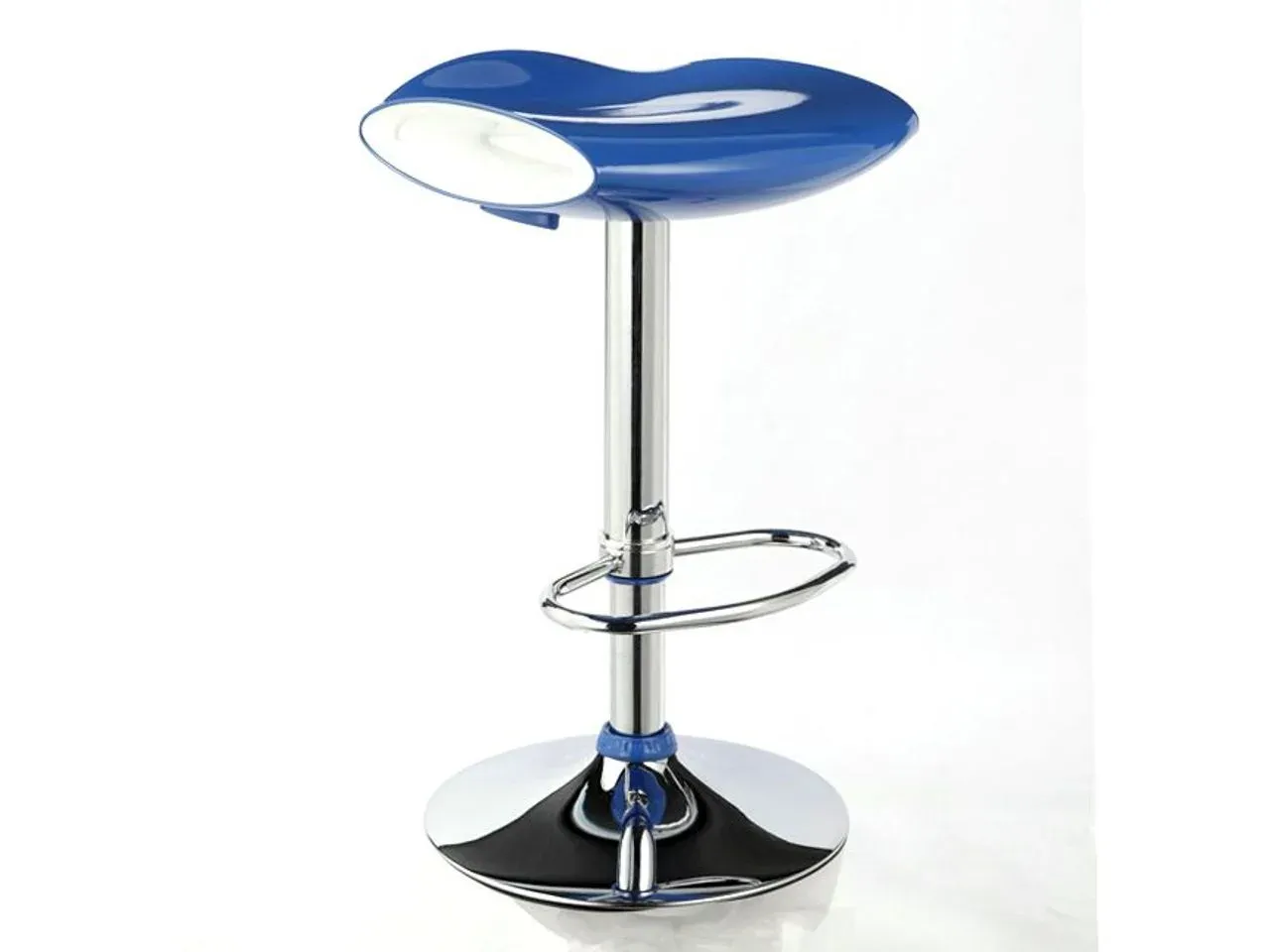
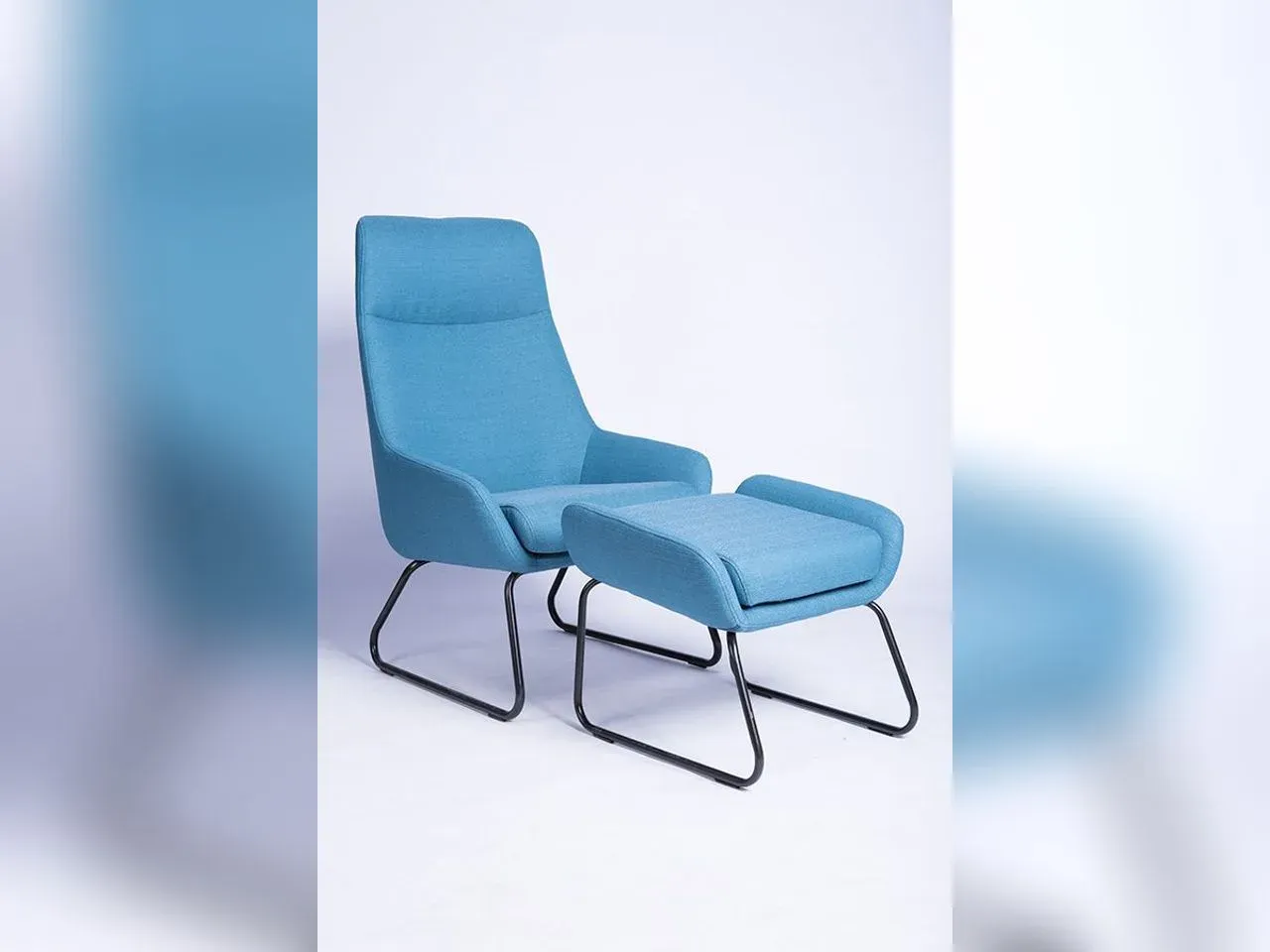
We build our dining chairs and bar stools to EN 16139 methods, and third-party testing to a stated level — Level 1 or Level 2 — can be arranged per order. We will not call a chair "certified" when what we mean is "built to construction we have passed before"; those are different sentences and only the second is true before your sample reaches the lab. If you are comparing EN 16139 against North American BIFMA benchmarks, the BIFMA vs EN 1335 comparison guide on ChairManufacturer.net lays out where the two frameworks align and where they diverge. Tell us the venue and the daily turn through the contact form or [email protected], and the material guide covers which frame carries each level most cheaply.