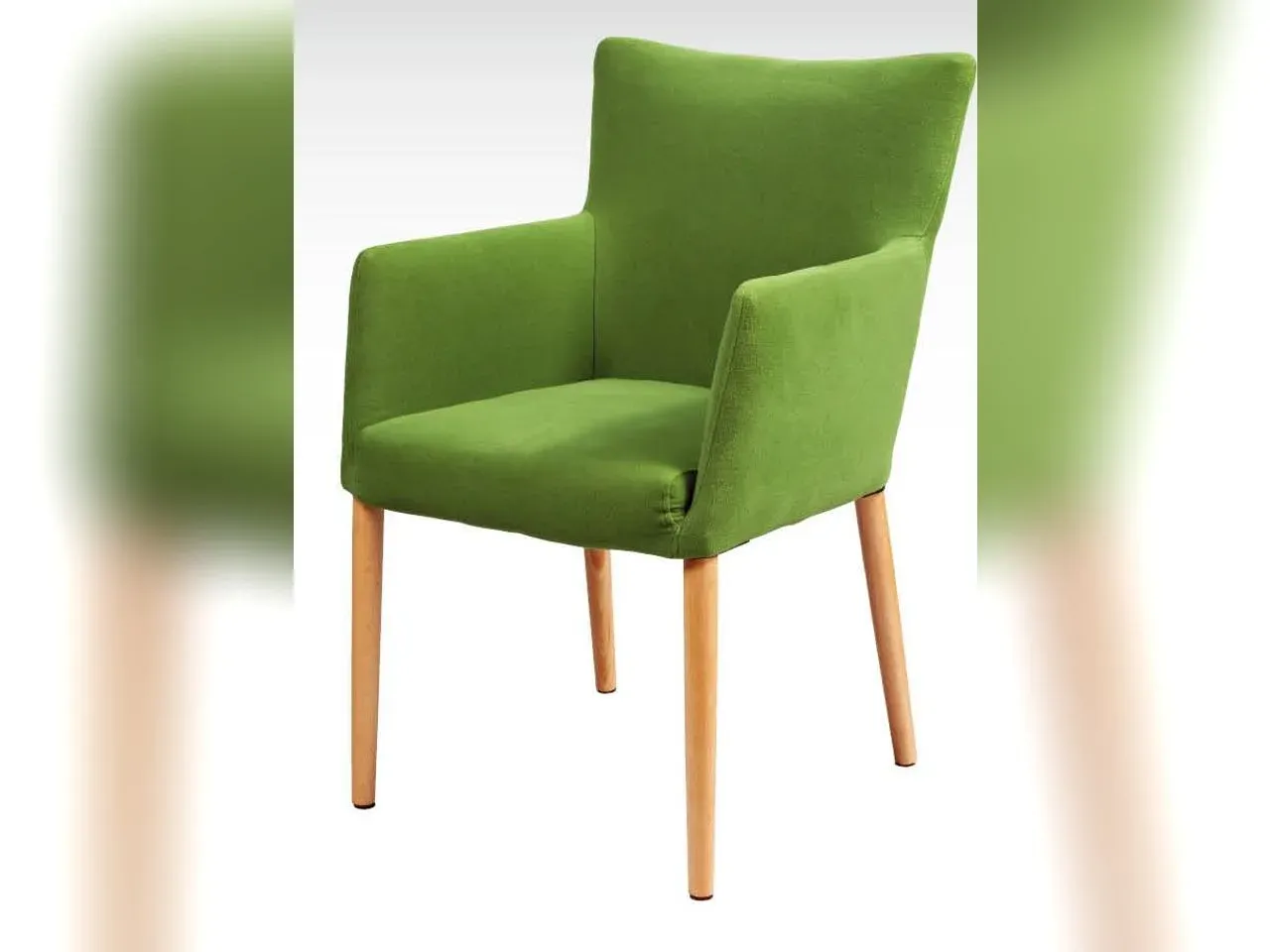
Sourcing note
Chair dimensions, in tables you can spec from
21 June 2026 · Demu export desk · ~4 min read
Chair dimensions look like the simplest question in furniture, which is why the internet answers it so badly — one "average" number, no range, no pairing, no tolerance. On a factory drawing a chair is described differently: each dimension is a target with a range that fits its table partner and its market, measured from stated datum points, with a ± the production line is held to. This page is the version of that drawing a buyer can use — the working tables for dining chairs, bar and counter stools and lounge seating, and the clearances that turn the numbers into rooms that work.
How to read a seating dimension (before any table)
Three conventions prevent most spec disputes. Seat height is measured to the front of the seat, unloaded — a padded seat compresses 10–25 mm in use, so two chairs with identical drawings can sit differently if one cushion is softer. Seat depth is the sitting surface from front edge to backrest face, not the plate length. And every dimension deserves a tolerance: ±5 mm is routine for wood frames, tighter for metal. A spec that says "seat height 450 mm" is a wish; "450 mm ±5, unloaded, front of seat" is an instruction an inspector can check.
Dining chairs
The pairing rule does the real work: comfortable dining wants 280–320 mm between seat height and tabletop. Standard dining tables run 740–760 mm high, which is why dining seat heights cluster at 450 mm — not because 450 is magic, but because the subtraction lands there.
| Dimension | Common range | Notes |
|---|---|---|
| Seat height | 440–470 mm | 450 typical vs 750 mm tables |
| Seat width | 400–480 mm | armchairs at the top of the range |
| Seat depth | 400–450 mm | deeper is not more comfort for shorter users |
| Overall height | 780–950 mm | styling, not ergonomics, above ~850 |
| Armrest height | 620–680 mm | must clear a 740 mm apron — check, don't assume |
Clearance planning: allow roughly 600 mm of table edge per cover, and 450–500 mm from table edge to the back of a pushed-in chair so service can pass.
Bar and counter stools
Stools are where wrong dimensions get bought daily, because "bar height" means two different counters. The same 280–320 mm differential applies — from the stool seat to the counter it serves.
| Type | Seat height | Serves counter of |
|---|---|---|
| Counter stool | 610–660 mm | 900–950 mm (kitchen island) |
| Bar stool | 710–760 mm | 1050–1100 mm (true bar) |
| Spectator / drafting | 800 mm+ | 1150 mm+ ledges |
Two stool-specific numbers matter as much as height: a footrest positioned 420–450 mm below the seat (feet must land somewhere), and base footprint versus seat height for stability — a tall stool on a small base is a physics problem no finish can fix.
Lounge and leisure chairs
Lounge dimensions run lower and deeper, and the recline angle changes what the numbers mean: as the back angle opens past ~105°, seat height drops and depth grows.
| Dimension | Common range | Notes |
|---|---|---|
| Seat height | 380–430 mm | lower = harder to stand up from; mind older users |
| Seat width | 480–600 mm | generous is the category's point |
| Seat depth | 480–560 mm | pair with back angle, not in isolation |
| Back height (from seat) | 350–500 mm | headrest styles exceed this deliberately |
Office task chairs, briefly
Task seating is adjustable, so the question shifts from a number to a range: a gas-lift seat height travel of roughly 420–530 mm covers most working populations at 720–750 mm desks. Fixed dimensions still worth specifying: seat pan 460–500 mm wide, depth 400–460 mm (or sliding), and arm height range overlapping 640–700 mm. Beyond that, office ergonomics is its own subject with its own standards — the tables above are for the fixed-dimension seating this factory ships by the container.
Using the tables in an order
Pick the counter or table first and subtract 280–320 mm — that is your seat height, not a number from a mood board. State the datum ("unloaded, front of seat") and the tolerance on the three dimensions that matter for your use. And when a chair must serve two markets, check the pairing in both: a 465 mm seat that suits a 760 mm US table reads tall against a 720 mm café table elsewhere. Our dining range and stool range drawings carry all of these dimensions per model — ask for the drawing before the price list, and the price list will make more sense.